





Welcome to Global Good’s Impact Interview series. This interview series is designed to tell the stories of the people and companies working to drive impact in society.
Can you introduce yourself and tell us about your role?
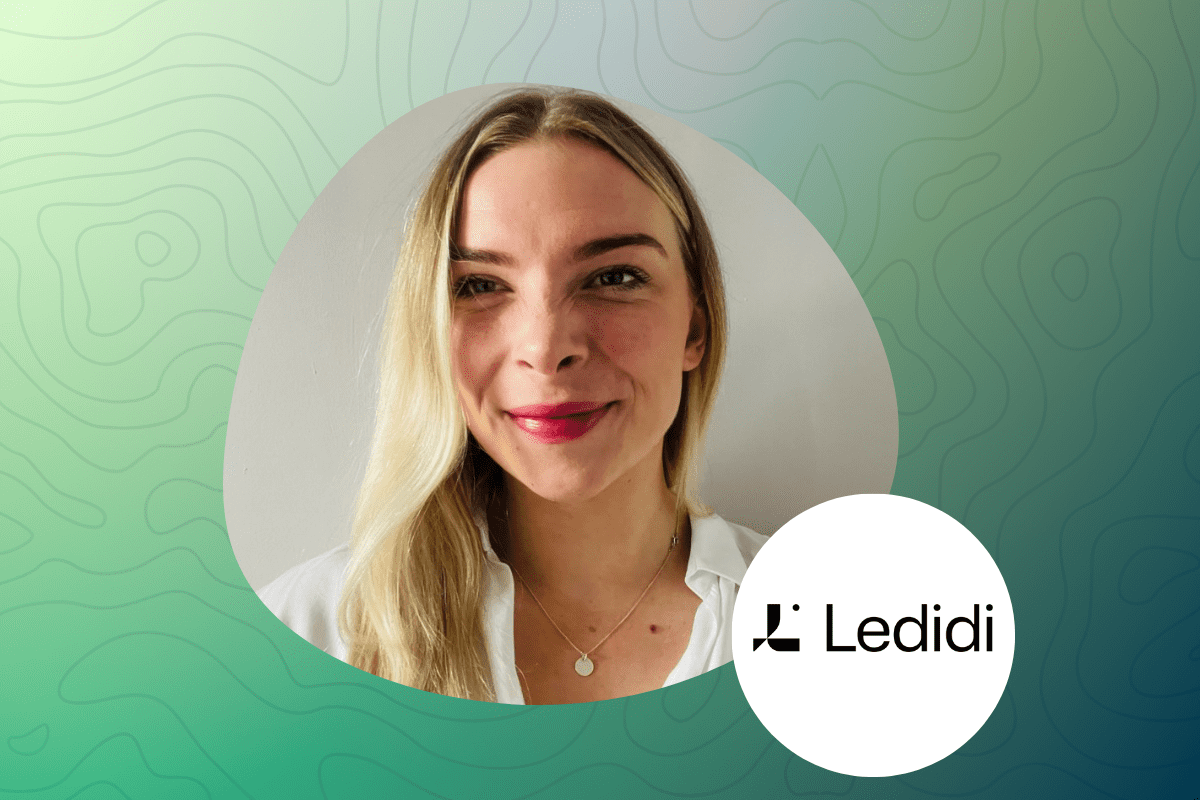
I’m Lauren Gledhill, Business Development and Partnerships Lead for the UK at Ledidi, a Norwegian health technology company that develops collaborative data platforms for research and innovation. My role focuses on bridging technology and clinical science, helping researchers, clinicians, and industry partners transform data into insights that ultimately improve patient outcomes. I work at the intersection of product development, partnerships, and business development, ensuring that our platform truly meets the needs of those generating knowledge in healthcare. It’s rewarding to see technology simplify complexity, lower barriers to research, and enable collaboration that benefits people across the world.
How did your Ledidi come about, and what was the motivation behind it?
Ledidi was founded by clinicians and software engineers who experienced firsthand how fragmented and inefficient data collaboration can be in healthcare research. Valuable insights were often lost due to technical barriers, siloed systems, or cumbersome tools. They wanted to change that.
The motivation was simple: to empower people to work together on data as easily as they communicate online. By creating a secure and intuitive platform for collaboration, Ledidi aims to accelerate scientific progress and make research more inclusive and impactful.
Can you describe Ledidi’s mission and values?
Ledidi’s mission is to enable better research and better healthcare through smarter data collaboration. We believe that access to high-quality data, combined with the ability to work collaboratively, is fundamental to advancing medicine. We design technology that not only meets regulatory and ethical standards but also recognises the human side of data: the people behind every dataset, every trial, and every discovery. Ultimately, our goal is to help turn collective knowledge into real-world health impact.
What are some of the most pressing social issues that your company is working to address through its technology?
Delays to clinical trials are complex and multifaceted. Regardless of the cause, delays to new medications and devices cost lives, reduce available treatment options, and significantly increase the financial resources required to complete trials. There are at least two key barriers Ledidi can help address: the disconnect between clinical trials and real-world evidence, and unnecessary delays in setting up Electronic Data Capture (EDC) platforms. The gap between clinical research and real-world evidence slows progress and limits how quickly innovations reach patients. Ledidi’s technology helps bridge that divide by enabling secure collaboration between research teams, hospitals, and industry, allowing insights from everyday clinical practice to directly inform the next generation of treatments.
Ledidi’s new Trials module is self-service and code-free, reducing third-party dependencies and accelerating trial design and setup. We are determined to reduce friction in trial setup, particularly for smaller companies that often have strong innovations but face disproportionate time and financial barriers. Companies can design their trials in Ledidi without cost until go-live, and even then, pricing remains flexible and manageable.
We are also addressing data inequality by ensuring that smaller institutions and developing regions can access the same research infrastructure as large organisations, helping to democratise health innovation globally.
How does your company measure the impact of its work in creating positive change?
We measure impact not just in numbers, but in outcomes: how many projects we help accelerate, how many teams we connect, and how often our tools contribute directly to new knowledge. Success means research teams spending less time managing data and more time interpreting results that improve care.
We track adoption across clinical trials, registries, and collaborative studies, but the most meaningful feedback comes when users tell us our platform enabled a study that otherwise would not have happened, or that we saved them weeks of delays through our self-service, no-code technology.
In your opinion, what impact will technology have in creating a better future?
Technology is transforming how we approach major global challenges, from climate change to healthcare. In health, its greatest potential lies in connection: linking data, people, and insights across borders and disciplines. The future will belong to those who combine digital tools with human collaboration to make knowledge flow faster and more equitably. Technology should not replace expertise; it should amplify it, removing friction so scientists, clinicians, and innovators can focus on what truly matters: improving lives.
What advice do you have for other companies looking to use tech for good and positively impact the world?
Start with empathy. The most impactful technologies are built by teams who deeply understand the people they serve. Don’t just chase efficiency, design for understanding, transparency, and trust. Incorporate end-user feedback throughout the design process to ensure you are solving real problems.
Measure success not only by growth, but by how your work changes the system you are part of. Collaboration across sectors is essential; no single company can solve complex global challenges alone. When technology becomes a bridge rather than a barrier, that is when it truly serves the greater good.
Ledidi exhibited in the Manchester Health Series powered by Empact Ventures and supported by Global Good.