


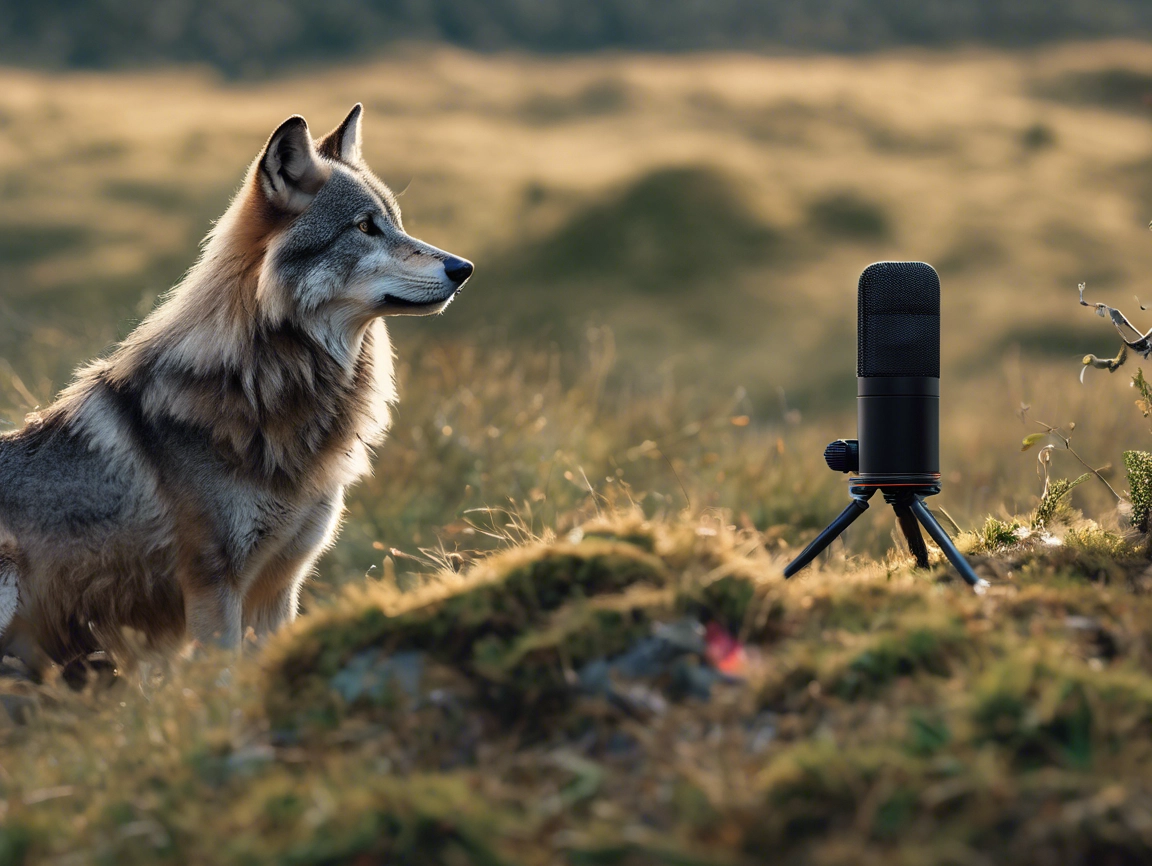
In an era where biodiversity loss threatens ecosystems worldwide, innovative technology solutions are emerging to help organizations monitor and protect wildlife more effectively. Synature, a Swiss startup founded in 2024, is at the forefront of this revolution with their AI-powered smart microphone technology that transforms how we track and assess biodiversity through bioacoustics.
The Challenge: Traditional Biodiversity Monitoring Limitations
Traditional wildlife monitoring methods face significant challenges in today’s rapidly changing environment. Manual data collection is labor-intensive, time-consuming, and often provides only snapshot views of ecosystem health. According to the Swiss Federal Office for the Environment, nearly half of the 230 types of natural habitats in Switzerland are under threat, with 35% of analyzed species considered endangered.
The growing pressure from regulatory frameworks like the Task Force on Nature-related Financial Disclosures (TNFD) and the Corporate Sustainability Reporting Directive (CSRD) has created an urgent need for reliable, continuous biodiversity monitoring solutions that can support ESG reporting requirements.
Synature’s Innovative Solution: Smart Microphone Technology
Synature’s breakthrough technology addresses these challenges through intelligent bioacoustic monitoring. Their smart microphone system can:
- Record continuously for up to three months on a single battery charge
- Filter background noise automatically to isolate animal sounds
- Identify species using advanced AI algorithms and transformer-based architecture
- Provide real-time data through an intuitive mobile application
- Monitor vast areas without human intervention
“Our smart microphones filter out the background noise from the animal sounds,” explains CEO Olivier Stähli. “Then algorithms recognize the sounds made by specific species. This information is displayed in an app in an easy-to-read format.”
The Founders: EPFL Innovation Meets Conservation Passion
Synature was founded by two passionate conservationists and technology experts:
Olivier Stähli (CEO) – A Master’s graduate from EPFL in Management, Technology and Entrepreneurship (MTE), Stähli combines business acumen with a deep love for the outdoors and wildlife conservation.
Noah Schmid (CTO) – With a background in engineering and computer science from EPFL and ETHZ, Schmid brings the technical expertise needed to develop cutting-edge AI algorithms for species recognition.
The duo met during their bachelor’s studies at the University of Bern and later developed their business plan as part of Stähli’s master’s degree at EPFL. Their journey was supported by EPFL’s Blaze startup accelerator program and the Enabled by Design program, which helped refine both their technology and business approach.
Proven Technology: From Wolves to Amphibians
Synature’s technology has been successfully tested across diverse environments and species:
Wolf Monitoring in Glaris Canton
Initial tests in 2022 demonstrated the system’s ability to track wolf populations, distinguishing between adult and offspring calls while providing location data and population estimates.
International Expansion
The technology has been deployed in France and South Africa, proving its adaptability to different ecosystems and species.
Agricultural Applications
At the Hectar pilot farm southeast of Paris, Synature monitors biodiversity across 300 hectares, helping researchers understand the impact of regenerative farming methods on local ecosystems.
Expanding Species Coverage
The system now monitors thousands of bird species and is expanding to include amphibians, broadening its application across diverse ecosystems.
Market Opportunity: The Growing Demand for Biodiversity Data
The biodiversity monitoring market is experiencing unprecedented growth, driven by several key factors:
Regulatory Drivers
- TNFD Requirements: The Task Force on Nature-related Financial Disclosures is pushing companies to report on nature-related risks and dependencies
- CSRD Compliance: The Corporate Sustainability Reporting Directive mandates biodiversity disclosures for European companies
- ESG Reporting: Growing investor and stakeholder demand for environmental impact data
Market Size and Growth
The bioacoustics sensing market is projected to grow significantly:
- US bioacoustics sensing system market valued at $0.4 billion in 2024, projected to reach $0.9 billion
- Global bio-acoustics sensing market expected to grow from $5.42 billion in 2024 to $13.04 billion by 2032
- Nature tech startups projected to attract up to $2 billion in investments by end of 2024
Target Applications and Use Cases
National Parks and Protected Areas
Continuous monitoring of wildlife populations to assess conservation effectiveness and detect changes in ecosystem health.
Environmental Consulting
Providing clients with reliable biodiversity data for environmental impact assessments and regulatory compliance.
Agribusiness and Sustainable Farming
Monitoring the impact of farming practices on local biodiversity to support sustainable agriculture initiatives.
Research Institutions
Enabling long-term ecological studies with continuous, automated data collection across multiple sites.
Competitive Advantages: Why Synature Stands Out
Synature’s approach offers several key advantages over traditional monitoring methods:
Continuous Data Collection
Unlike annual surveys or periodic assessments, Synature provides 24/7 monitoring, enabling detection of trends and changes in real-time.
Reduced Power Consumption
Novel transformer-based architecture enables more accurate detection with less data and power consumption, extending battery life to three months.
Complementary Approach
“Our goal isn’t to replace existing monitoring systems, but rather to supplement them with another approach,” says Stähli. “Each method has its own limitations, so by combining different ones, scientists can get a much more representative view of biodiversity.”
User-Friendly Interface
The system presents complex acoustic data in an easy-to-understand format through their mobile application, making it accessible to non-technical users.
Future Outlook: Scaling for Global Impact
Synature is well-positioned for growth with several positive indicators:
- Strong Demand: Multiple organizations have requested pilot programs in recent months
- Funding Support: Received backing from Switzerland’s Venture Kick and Bridge startup support programs
- Scaling Production: Currently conducting a funding round to hire additional employees and ramp up manufacturing
- Technology Evolution: Continuous improvement in AI algorithms and species recognition capabilities
The Broader Impact: Technology for Conservation
Synature represents a new generation of “AI for Good” companies that leverage cutting-edge technology to address critical environmental challenges. As CEO Stähli notes, “Our devices also provide an acoustically engaging way to get people interested in nature.”
With land use for residential buildings and infrastructure nearly doubling in the past 50 years in Switzerland alone, the pressure on ecosystems continues to mount. Technologies like Synature’s smart microphones offer hope for better understanding and protecting the natural world.
Conclusion: A Sound Investment in Biodiversity’s Future
As regulatory requirements for biodiversity reporting intensify and the need for reliable environmental data grows, Synature’s AI-powered bioacoustic monitoring technology offers a compelling solution. By combining scientific rigor with technological innovation, this Swiss startup is helping organizations worldwide make informed decisions about conservation and environmental stewardship.
For national parks, environmental consultants, agribusinesses, and research institutions seeking reliable, continuous biodiversity monitoring solutions, Synature represents the future of wildlife conservation technology. Their smart microphones don’t just listen to nature – they help us understand and protect it.
To learn more about Synature’s biodiversity monitoring solutions, visit synature.ch