


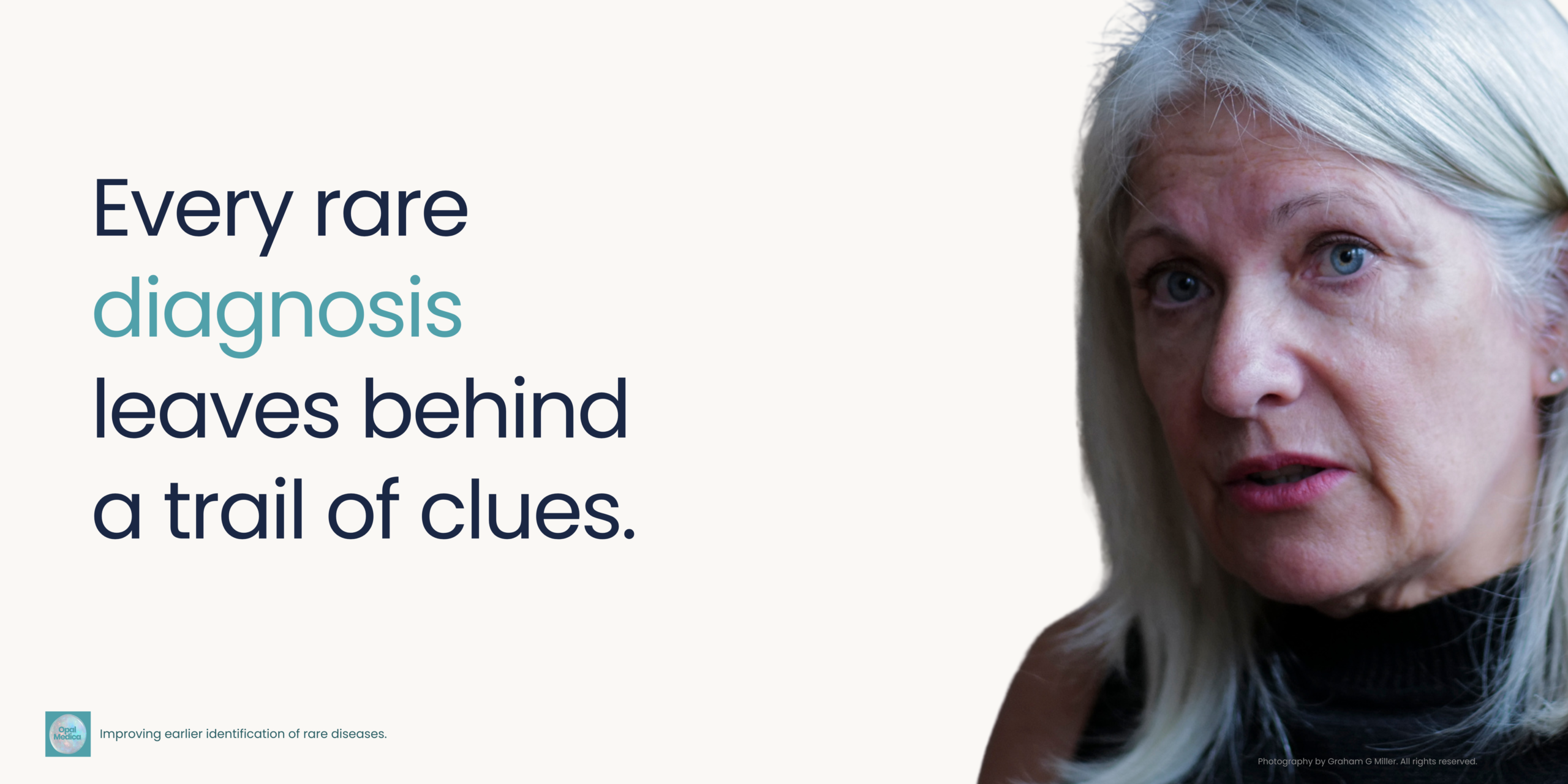
For many people living with a rare disease, the problem is not what happens once they reach a specialist, but how long it takes to get there.
Rare diseases affect around 3.5 million people in the UK and we know that diagnosis can take years. Recent UK data found that one in four people with a rare condition waited at least three years between first experiencing symptoms and receiving a confirmed diagnosis. What particularly struck me was that for 95% of that time, they were already within the healthcare system seeking help.
I have worked in rare diseases for many years and we talk a lot about the “diagnostic odyssey”. We know that patients can see numerous healthcare professionals, undergo repeated investigations and sometimes receive several different diagnoses before the underlying condition is recognised.
There are more than 7,000 known rare diseases, so it is clearly unrealistic to expect a GP to recognise every one of them. However, I do think we could get better at recognising when a patient’s history suggests that something doesn’t quite fit and further investigation may be needed.
Learning from patients who have already been diagnosed
One area I think we could make much better use of is the experience of people who have already been through this journey.
Once somebody has a confirmed diagnosis, we can look back at what happened before it. Which symptoms appeared first, when did they seek help, which healthcare professionals did they see, what investigations were carried out and were there points in the journey where something might have prompted further investigation?
There is a huge amount we can learn from this.
Patient experience is rightly valued in rare disease, but I think it can also help us understand where opportunities for earlier identification are being missed. If we can understand the patterns across many people’s journeys, we have a much better chance of improving the experience for patients who come after them.
The role of technology
There is a lot of discussion about the role of technology in healthcare, particularly at the moment. For me, its value in rare disease is not about replacing clinicians or expecting technology to make a diagnosis.
It is about supporting healthcare professionals with information that may help them recognise that something warrants further investigation.
A GP may only ever see one patient with a particular rare disease during their career. They cannot be expected to remember every possible combination of symptoms associated with thousands of conditions, particularly when many of those symptoms are common in isolation.
Technology has the potential to help make those connections, while leaving the clinical decision exactly where it should be, with the healthcare professional.
Looking earlier in the patient journey
There is some incredible innovation happening in rare disease, from genomics and diagnostics through to new treatments and increasingly personalised approaches to medicine. I have been fortunate to see much of this during my career.
But all of these advances depend on the patient reaching the right part of the healthcare system in the first place.
If we are serious about reducing the time to diagnosis, I think we need to put more emphasis on what happens before specialist referral, particularly during the years when patients are already presenting to healthcare professionals.
Earlier diagnosis is already a priority within UK rare disease policy, alongside increasing awareness among healthcare professionals and making better use of digital technology and data. The opportunity now is to translate that into practical ways of helping clinicians identify patients who may need further investigation.
For me, one of the best places to start is by listening to people who have already been through the diagnostic journey and learning from what happened to them.
If we are going to shorten the diagnostic journey, we need to bring patients, clinicians, researchers and technology together and make better use of what we already know. We need to learn from the journeys of people who have been diagnosed, understand where the opportunities for earlier identification lie, and find practical ways to help healthcare professionals join the dots sooner.
The clues may already be there. The challenge now is to make sure we are joining them together.