


Science has a quiet waste problem and a real opportunity to solve it.
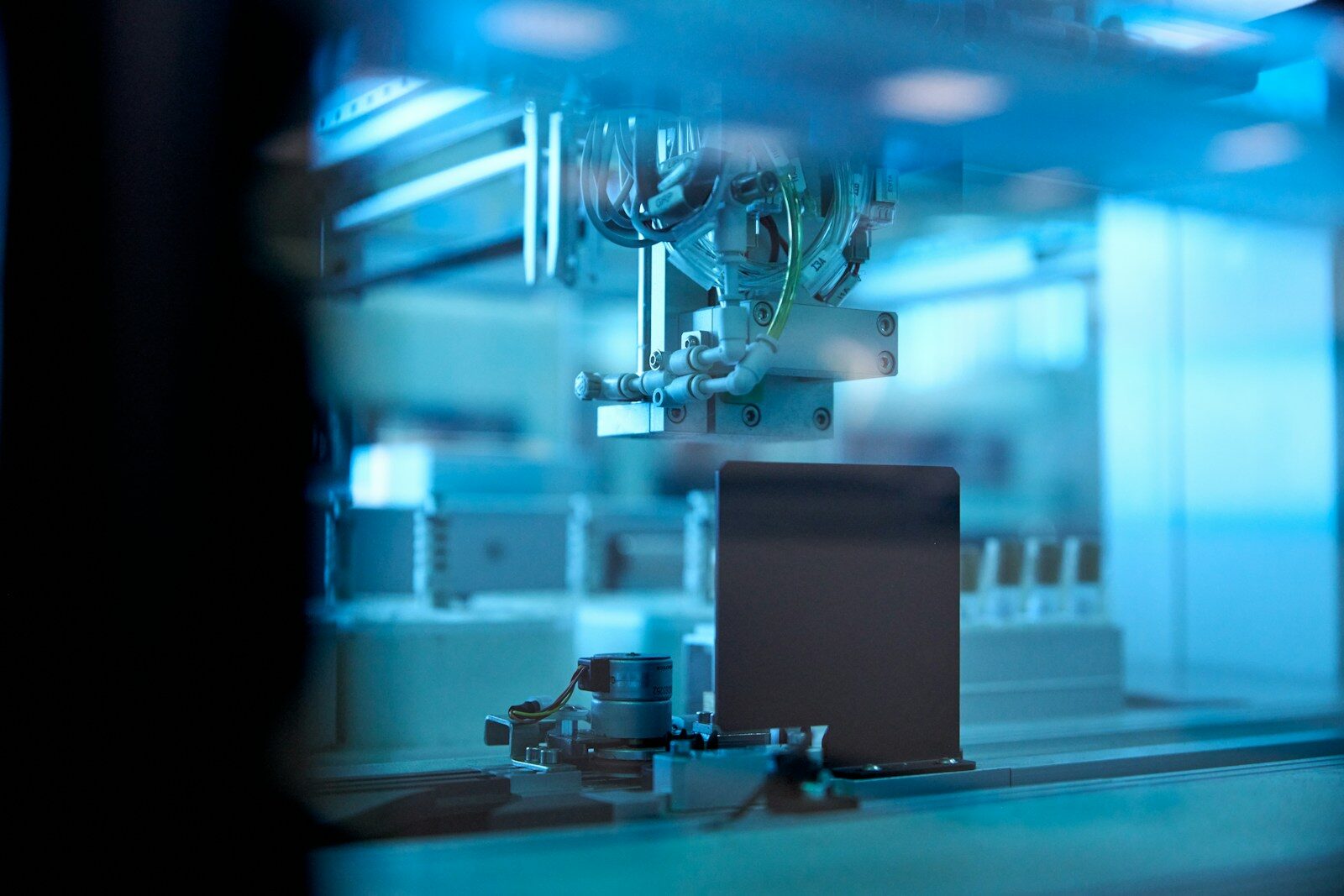
Step into any well-funded research lab and you’ll see the same thing: freezers running at −80°C day and night, mass spectrometers the size of a walk-in wardrobe, centrifuges, PCR machines, sequencers. Rows of equipment. All built from steel, copper, electronics and a significant amount of energy used in their manufacturing. A surprising amount of it ends up decommissioned earlier than anyone would like.
Why Perfectly Good Equipment Gets Thrown Away
This comes down to how research is funded.
Equipment bought on a five-year grant has to come off the books when the grant ends, working or not. Depreciation schedules don’t care whether a centrifuge still runs. And the natural pull towards newer, faster equipment plays its part too.
Extending equipment life would be one of the most effective emissions interventions available to labs. The opportunity is sitting right there.
But without infrastructure to support buying second-hand, instruments end up in storage or in the bin by default. Not because anyone wanted that outcome, but because there wasn’t a better option.
The Other Side of the Problem
While well-resourced institutions are writing off functional kit, labs without the same sort of funding are going without.
Affordability and access aren’t a side issue. They’re a bottleneck in how and when science gets done… A pre-owned centrifuge at half the price of new isn’t just cheaper, it’s the difference between running an experiment and not running it. Cheaper equipment means more equipment in use, and more equipment in use means more science actually getting done. Every pound saved on a freezer is a pound that funds more research.
The Fix Isn’t Complicated
Lab instruments are perfectly suited to secondary markets. They’re expensive, they’re durable, and a well-maintained mass spectrometer doesn’t care whether it’s on its first deployment or its third. Refurbished equipment typically runs at 40-60% of the cost of new. Same performance, substantially less embodied carbon, no new raw materials extracted.
The piece that’s been missing is the infrastructure to make it work at scale. That’s why we started MerkaLoop, the AI agent marketplace for pre-owned and affordable lab equipment. The goal is straightforward: make buying pre-owned and affordable as easy as it should be.
A Different Way of Thinking About Lab Assets
The shift, from one-off purchases to recoverable assets, has real implications for how labs plan procurement, how grants account for equipment, and how institutions report on sustainability.
The scientific community is at the centre of some of the most urgent work happening anywhere. And there’s a way to make that work more sustainable, more affordable and faster, all at once. Those things don’t usually go together. With MerkaLoop, they do.
—
Emilia Vandamme and Annabel Vago, Co-Founders of MerkaLoop. Your AI Agent marketplace for pre-owned and affordable laboratory equipment.