


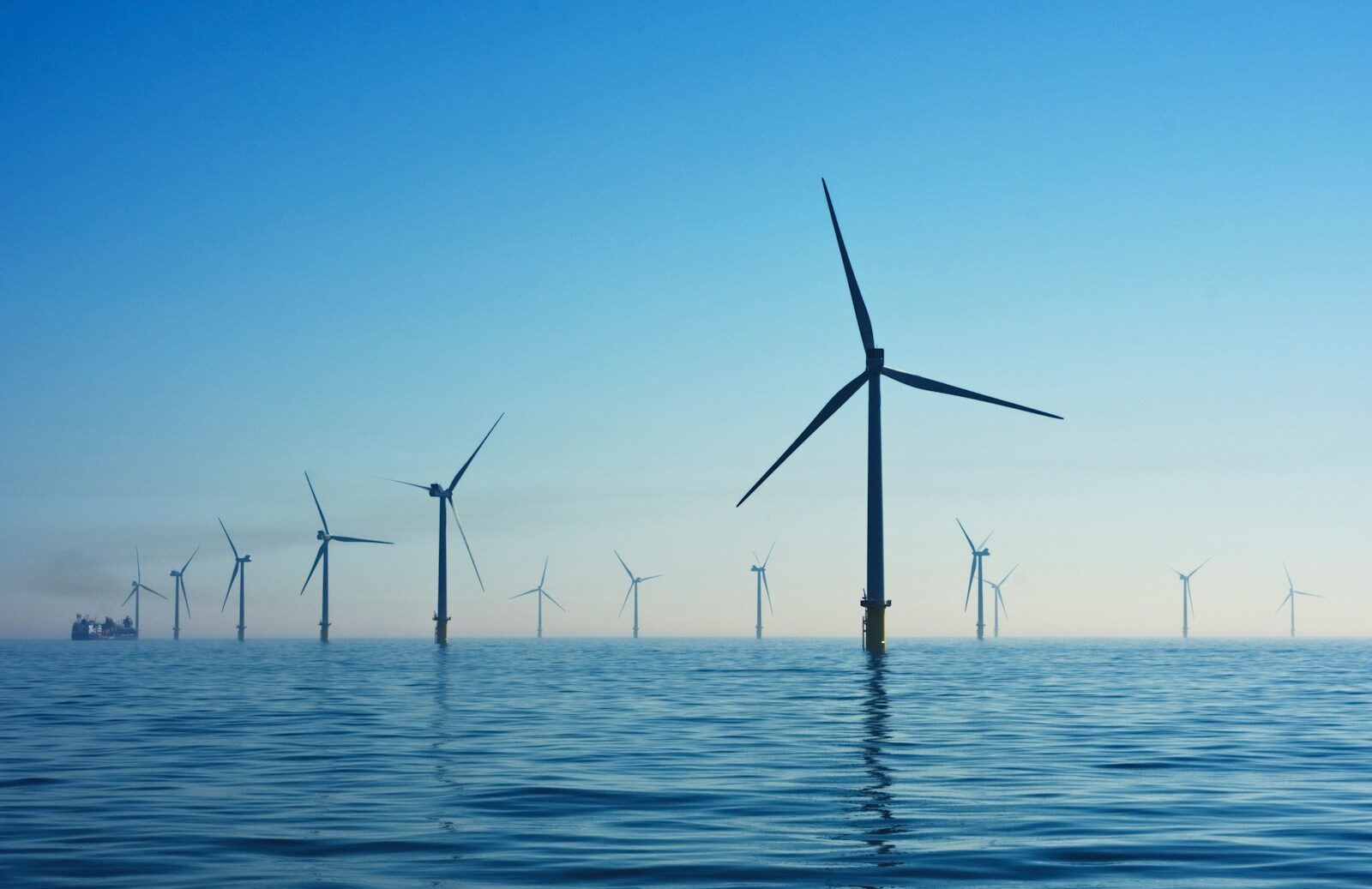
Climate technology has reached a pivotal moment. With $70 billion in climate tech investments in 2023 and the global climate tech market projected to grow from $38.5 billion in 2024 to $115.4 billion by 2030, the sector is experiencing unprecedented growth. Yet despite this momentum, many climate solutions struggle with a fundamental challenge: adoption.
The answer isn’t just better technology – it’s better design. A new generation of climate tech companies is proving that design-first approaches can bridge the gap between innovative solutions and widespread adoption, making sustainability both accessible and profitable.
Why Design Matters in Climate Tech Adoption
Traditional climate solutions often ask users to sacrifice convenience, aesthetics, or functionality for environmental benefits. This approach has created significant barriers to adoption, particularly among mainstream consumers and businesses who prioritise practical outcomes over environmental idealism.
Design-driven climate tech companies are flipping this narrative. Instead of asking “How can we make people care about the environment?”, they’re asking “How can we make sustainable choices the obvious, delightful choice?”
“Design is more than the pixels and words – it is the art of identifying and solving the biggest problems. What bigger problem is there than climate change?” – Michael Leggett, Co-Founder & CPO, Ever.green
8 Companies Leading the Design-First Climate Revolution
1. Ambrook: Making Agricultural Finance Beautiful and Functional
Sector: Agricultural Financial Platform
Founded: 2020
Funding: $26.1M Series A
Headquarters: New York, NY
Ambrook is revolutionising how family-run agricultural businesses manage their finances. With agriculture responsible for significant environmental impact, the company recognised that farms need modern financial tools to make sustainability profitable.
Their design-first approach tackles one of the most complex challenges in business software: creating intuitive interfaces for intricate financial operations. As Ali Aas, Creative Director at Ambrook, explains: “Design enables Ambrook to comprehensively derisk the trickiest aspects of our product through UX research and product explorations.”
Key Innovation: AI-powered receipt sorting and built-in payments that eliminate the complexity traditionally associated with agricultural ERP systems.
2. Copper: Reimagining Home Electrification with Charlie
Sector: Home Electrification Appliances
Founded: 2022
Headquarters: Berkeley, CA
Copper’s Charlie induction range represents a masterclass in design-driven climate solutions. Addressing the 45 million U.S. homes still using gas cooking appliances, Charlie eliminates the need for costly electrical upgrades through innovative battery integration.
The design philosophy prioritises user experience over technical specifications. Instead of touchscreen controls, Charlie features intuitive walnut wood knobs that feel familiar and satisfying to use. This attention to tactile design helps overcome the intimidation factor often associated with induction cooking.
Key Innovation: Built-in 5kWh battery allows high-power induction cooking on standard 120V outlets, removing the biggest barrier to electric cooking adoption.
3. Euclid Power: Streamlining Clean Energy Project Management
Sector: Clean Energy Project Management
Founded: 2021
Size: 101-200 employees
Headquarters: New York, NY
With nearly all new U.S. grid capacity being renewable in 2024, Euclid Power addresses the complex documentation and project management challenges that slow clean energy deployment. Their platform centralises data points that were previously scattered across Excel sheets, email chains, and data rooms.
Design at Euclid focuses on making complex information digestible. As Staff Designer Minjeong Kim notes: “Through good design, Euclid helps accelerate the world’s transition to clean energy.”
Key Innovation: Over 500 renewable energy projects are currently managed through their platform, demonstrating the scalability of well-designed project management tools.
4. Ever.green: Democratising Green Energy Procurement
Sector: Green Energy Marketplace
Founded: 2021
Headquarters: Seattle, WA
Ever.green makes clean energy procurement accessible to companies of all sizes through their marketplace for transferable tax credits and renewable energy certificates (RECs). Companies like Atlassian, REI, and Stripe use the platform to meet sustainability goals while ensuring meaningful environmental impact.
Co-founder Michael Leggett’s 15-year background in UX design permeates every aspect of the business, from high-level strategy to product development.
Key Innovation: Successfully brought 15 companies together to help repower a 55 MW wind farm, demonstrating how design can facilitate complex multi-stakeholder collaborations.
5. Kopperfield: Empowering Contractors with Beautiful Software
Sector: Residential Electrification Tools
Founded: 2021
Headquarters: Remote
Kopperfield addresses the high soft costs (15-65% of project costs) that plague residential electrification by providing contractors with intuitive software tools. Their design philosophy recognises that contractors and homeowners have rarely been treated to well-designed software products.
The company’s brand identity—”Power to you”—uses an electrifying color palette and visible grid elements as a playful nod to energy grid transformation.
Key Innovation: Software tools that save contractor time while increasing conversion rates, directly accelerating residential electrification adoption.
6. Lumen Energy: Simplifying Commercial Solar Adoption
Sector: Commercial Solar Solutions
Founded: 2020
Headquarters: San Francisco, CA
Lumen Energy tackles the complexity of commercial solar procurement through data science, software, and sector expertise. Their proprietary pricing engine can remotely assess building features, utility bills, roof quality, and other constraints to provide immediately actionable offers.
Founding Designer Kamini Iyer emphasises how design can streamline traditionally challenging solar transactions: “By creating more straightforward clean energy financing and implementation software, my goal is for our design to establish the benchmark for what excellent solar transaction software should be.”
Key Innovation: Fully-financed solutions that eliminate the traditional barriers of upfront costs and complex procurement processes.
7. Sway: Making Sustainable Packaging Irresistible
Sector: Seaweed-Based Plastic Alternatives
Founded: 2020
Headquarters: San Leandro, CA
With 83% of brands using flexible plastic packaging and less than 3% being recycled, Sway addresses one of the most visible environmental challenges. Their seaweed-based, home compostable packaging matches the performance of conventional plastics while being designed to plug into existing manufacturing systems.
Sway’s approach recognises that 80% of environmental waste is determined at the design stage, positioning designers as key players in the circular economy transition.
Key Innovation: Patented seaweed-based technologies that maintain performance while enabling home composting, launching with Seaweed Polybags in fall 2024.
8. Zero Acre Farms: Building a Movement Through Brand Design
Sector: Sustainable Cooking Oils
Founded: 2020
Headquarters: San Mateo, CA
Zero Acre Farms isn’t just creating a healthier cooking oil—they’re building a movement to transition away from harmful seed oils. Their cultured oil has a 10x smaller environmental footprint than vegetable oil while addressing health concerns linked to traditional vegetable oils.
The company’s design strategy focuses on explaining complex problems clearly and inspiring action, combating misinformation with science-backed, actionable information.
Key Innovation: Partnerships with major brands like Chipotle and Shake Shack demonstrate how superior product design can drive adoption at scale.
The Design-First Climate Tech Playbook
These eight companies share common design principles that drive their success:
1. User-Centric Problem Solving
Instead of leading with environmental benefits, these companies identify user pain points and solve them elegantly while delivering climate impact as a natural outcome.
2. No-Compromise Aesthetics
From Copper’s walnut knobs to Kopperfield’s electrifying brand palette, these companies refuse to sacrifice beauty for sustainability.
3. Accessibility Over Ideology
Design choices prioritise making sustainable options accessible to mainstream users rather than appealing only to environmental enthusiasts.
4. Systems Thinking
These companies design for entire ecosystems, considering how their solutions integrate with existing workflows, infrastructure, and user behaviors.
Market Implications and Investment Trends
The success of design-first climate tech companies reflects broader market shifts. While climate tech investment saw a 14% decline in 2024 to $30 billion as the market finds its new normal, design-driven companies are attracting significant funding:
- Ambrook raised $26.1M Series A led by Thrive Capital
- Euclid Power has grown to 101-200 employees, indicating strong market traction
- Multiple companies have secured partnerships with major brands and corporations
This trend suggests that investors are recognising design as a critical differentiator in climate tech, not just a nice-to-have feature.
Overcoming Traditional Climate Tech Barriers
Design-first approaches address the three primary barriers to climate tech adoption:
Economic Barriers
By improving user experience and operational efficiency, design reduces the total cost of ownership and increases ROI for sustainable solutions.
Behavioral Barriers
Intuitive design reduces the learning curve and friction associated with adopting new technologies.
Infrastructure Barriers
Smart design works within existing constraints (like Copper’s 120V compatibility) rather than requiring costly upgrades.
The Future of Design-Driven Climate Solutions
As climate tech matures, design will become increasingly important for differentiation and adoption. Key trends to watch include:
- AI-Enhanced UX: Companies like Ambrook are already using AI to improve user experience
- Cross-Industry Integration: Design solutions that work across multiple sectors and use cases
- Community-Driven Design: Platforms that facilitate collaboration and knowledge sharing
- Behavioral Design: Solutions that nudge users toward sustainable choices without explicit environmental messaging
Key Takeaways for Business Leaders
For companies considering climate tech adoption or investment:
- Prioritise User Experience: The most environmentally beneficial solution won’t succeed if it’s difficult to use
- Look for Design Leadership: Companies with design co-founders or strong design teams show better adoption rates
- Consider Total Cost of Ownership: Well-designed solutions often reduce operational costs beyond their environmental benefits
- Evaluate Integration Capabilities: Solutions that work within existing workflows and infrastructure have higher success rates
Conclusion: Design as Climate Action
The climate crisis demands solutions that work at scale, and scale requires adoption. These eight companies demonstrate that design isn’t just about making things look good—it’s about making sustainable choices the obvious, profitable, and delightful choice.
As Enrique Allen, Co-founder of Designer Fund, notes: “When you think about our mission of using design to improve the world, there’s no greater problem space than helping solve our climate crisis.”
The future of climate tech lies not just in breakthrough technologies, but in breakthrough design that makes those technologies irresistible to use. For businesses, investors, and consumers, the message is clear: the most impactful climate solutions will be the ones that people actually want to adopt.
In a world where climate action is no longer optional, design-first companies are proving that sustainability and profitability aren’t just compatible—they’re inseparable.